QUORA

Monday, 31 July 2023

HUMAN BEHAVIOUR VS NEURO ACTIVITY AND REACTIVITY

HUMAN BEHAVIOUR VS NEURO ACTIVITY AND REACTIVITY

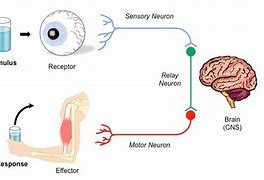
Neuroreactivity, also known as neural reactivity or brain reactivity, refers to the responsiveness of the brain to external stimuli or internal processes. It is a term used in neuroscience to describe how the brain reacts and responds to various sensory, cognitive, emotional, or physiological stimuli.


Neuroreactivity is studied using various neuroimaging techniques such as functional magnetic resonance imaging (fMRI), electroencephalography (EEG), and positron emission tomography (PET). These techniques allow researchers to observe changes in brain activity and neural pathways in response to specific stimuli or tasks.

For example, if participants are exposed to visual stimuli (e.g., images or videos), auditory stimuli (e.g., sounds or speech), or emotional stimuli (e.g., faces expressing different emotions), researchers can observe and measure the brain's activation patterns and neural pathways associated with processing that particular type of stimulus.

Understanding neuroreactivity is crucial for gaining insights into how the brain processes information, learns, and adapts to different situations. It has applications in various fields, including cognitive psychology, neuroscience, psychiatry, and neurology. By studying neuroreactivity, researchers can better comprehend brain disorders, cognitive functions, decision-making processes, and emotional responses.

However, it's important to note that the field of neuroscience is complex and constantly evolving. While researchers have made significant progress in understanding neuroreactivity, there is still much to learn about the intricacies of the human brain and its responses to various stimuli.


EXAMPLES OF NEUROACTIVITY


Visual Stimulus Neuroreactivity: When participants are shown pictures of different objects, scenes, or faces, specific brain regions responsible for visual processing (such as the occipital lobes) become active. The brain's response varies depending on the complexity and familiarity of the visual stimuli.


Auditory Stimulus Neuroreactivity: Listening to various sounds, including speech, music, or environmental noises, activates the auditory cortex in the temporal lobes. Different patterns of brain activation may be observed when listening to familiar vs. unfamiliar sounds or when processing speech vs. non-speech sounds.


Emotional Stimulus Neuroreactivity: Presenting emotionally charged stimuli, such as images of happy, sad, or fearful faces, triggers activity in brain regions associated with emotion processing, such as the amygdala and prefrontal cortex. The intensity of emotional neuroreactivity may vary based on individual differences and emotional significance.

Cognitive Task Neuroreactivity: Performing cognitive tasks, like solving puzzles or mathematical problems, involves the activation of multiple brain regions, including the frontal and parietal lobes. Neuroreactivity in these regions changes as the complexity of the task increases.


Language Processing Neuroreactivity: When individuals read or listen to language, specific areas in the brain, such as Broca's area and Wernicke's area, become active. The brain's response to language depends on factors like syntactic complexity, grammatical correctness, and semantic content.


Motor Task Neuroreactivity: Engaging in motor tasks, such as tapping fingers or moving limbs, activates the motor cortex and other regions involved in motor control and coordination.

Reward Neuroreactivity: When people experience rewards or pleasurable stimuli, such as receiving money or eating delicious food, the brain's reward pathways, including the mesolimbic dopamine system, become activated.


Pain Perception Neuro-reactivity: Inflicting pain or presenting painful stimuli leads to the activation of brain regions involved in pain processing, such as the somatosensory cortex and anterior cingulate cortex.


These are just a few examples of the diverse range of neuro-reactivity observed in different situations. Neuro-reactivity can vary based on individual differences, cognitive abilities, emotional states, and other factors, making the study of brain responses a fascinating and dynamic field of research.


Sunday, 30 July 2023

Title: Dried Herbs Treatment versus Conventional Medications


Title: Dried Herbs Treatment versus Conventional Medications

Introduction: In recent years, there has been a growing interest in alternative and complementary therapies for various health conditions. One such approach gaining popularity is the use of dried herbs for medicinal purposes. This article aims to compare the benefits and potential drawbacks of dried herbs treatment to conventional medications in managing health issues. While dried herbs have been used for centuries in traditional medicine, it is essential to evaluate their efficacy and safety in the context of modern medical practices.

Effectiveness and Efficacy: Dried herbs have been traditionally used to treat a wide range of ailments, and some studies suggest that certain herbs possess medicinal properties. For instance, chamomile is believed to help with digestive issues and promote relaxation, while ginger is considered effective for nausea and inflammation. However, the evidence supporting the efficacy of dried herbs often lacks the rigor of clinical trials commonly seen in conventional medicine. On the other hand, conventional medications have undergone extensive research and clinical trials to demonstrate their effectiveness and establish appropriate dosages.


Safety and Side Effects: The safety of dried herbs largely depends on the specific herb and its preparation. While many herbs are considered safe when used appropriately, some can interact with medications or cause adverse effects, particularly if misused or consumed in large quantities. In contrast, conventional medications undergo rigorous testing to identify potential side effects and interactions, allowing healthcare providers to prescribe them with greater confidence.


Standardization and Regulation: Conventional medications are subject to strict regulatory oversight and quality control standards to ensure consistency in their formulation and potency. Dosage information and instructions for use are clearly stated on packaging and approved by health authorities. In contrast, dried herbs lack standardization, and the concentration of active compounds can vary depending on factors such as the source, climate, and harvesting methods. This lack of standardization can make dosing and treatment outcomes less predictable.


Availability and Accessibility: Dried herbs are often more accessible and affordable than conventional medications. Many herbs can be grown at home or purchased from local stores, making them a popular choice, especially in regions with limited access to healthcare. Conversely, conventional medications may require a prescription, and their cost can be prohibitive for some individuals, particularly in low-income communities.


Integration with Conventional Medicine: While dried herbs are considered an alternative form of treatment, they are not always a substitute for conventional medications. In some cases, they can complement conventional therapies and improve overall health outcomes. However, it is crucial to involve healthcare professionals in decisions regarding the integration of herbs with standard treatments to ensure patient safety and optimal results.

Conclusion: The use of dried herbs as a treatment option remains a subject of ongoing debate and research. While traditional herbal remedies have been valued for generations, their efficacy, safety, and standardized dosing still require more extensive scientific investigation. Conventional medications, with their established efficacy and regulatory oversight, continue to be the mainstay of modern healthcare. When considering dried herbs treatment, it is essential to consult with a qualified healthcare provider to make informed decisions about the best course of action for individual health needs.


The Foodie Diet: Promoting Human Health and Well-being


The Foodie Diet: Promoting Human Health and Well-being


Introduction: The Foodie Diet is a culinary journey that not only satisfies your taste buds but also prioritizes human health and well-being. This delectable approach to nutrition celebrates a diverse range of wholesome and nutritious foods while embracing the essence of British cuisine. By combining the pleasure of eating with a focus on balanced nutrition, the Foodie Diet aims to enhance overall health, boost energy levels, and promote a sustainable and enjoyable lifestyle.

Key Principles of the Foodie Diet:

Embrace a Rainbow of Fresh Produce: The Foodie Diet emphasizes incorporating a wide array of colorful fruits and vegetables. These nutrient-packed delights not only add vibrant flavors to your plate but also provide essential vitamins, minerals, and antioxidants that support your immune system and protect against various diseases.


Opt for Whole Foods: Say goodbye to processed and refined foods and welcome whole foods into your diet. Whole grains, lean proteins, and healthy fats form the foundation of the Foodie Diet, ensuring you get the necessary nutrients without unnecessary additives or preservatives.


Mindful Eating: Savor each bite and pay attention to your body's hunger and fullness cues. Mindful eating promotes better digestion and helps prevent overeating, allowing you to enjoy your meals fully while maintaining a healthy weight.


Include Healthy Fats: Healthy fats, such as those found in avocados, nuts, and olive oil, play a vital role in supporting brain function, heart health, and overall well-being. The Foodie Diet encourages the consumption of these fats in moderation to enhance your diet's nutritional profile.


Seasonal and Local Delights: Celebrate the beauty of British seasons by embracing locally-sourced produce. The Foodie Diet emphasizes the importance of seasonal eating, which not only supports local farmers but also ensures that you enjoy the freshest and most flavorful ingredients.


Hydration: Staying adequately hydrated is crucial for optimal health. The Foodie Diet encourages drinking plenty of water throughout the day, which helps maintain bodily functions, aids digestion, and promotes healthy skin.


Occasional Indulgences: The Foodie Diet allows for occasional indulgences in your favorite treats. Whether it's a slice of traditional British cake or a delightful dessert, savor these moments guilt-free while maintaining balance in your overall diet.

Benefits of the Foodie Diet:

Improved Digestion: The emphasis on whole, nutrient-dense foods supports healthy digestion and reduces the risk of gastrointestinal issues.


Enhanced Energy Levels: By providing a steady source of nutrients, the Foodie Diet helps sustain energy levels throughout the day, promoting better productivity and mental clarity.


Weight Management: Mindful eating and balanced nutrition contribute to better weight management and a positive body image.


Heart Health: Incorporating healthy fats and whole foods in the Foodie Diet helps maintain cardiovascular health and reduces the risk of heart-related illnesses.


Strengthened Immune System: The abundance of vitamins and antioxidants in the diet boosts the immune system, protecting the body against infections and diseases.

Conclusion: The Foodie Diet represents a delightful journey towards a healthier and happier lifestyle. By prioritizing fresh, wholesome ingredients and celebrating the richness of British cuisine, this dietary approach ensures that you not only enjoy your meals but also reap the countless benefits of improved well-being. So, grab your apron and embark on the Foodie Diet to savor the joys of food while nurturing your body and mind.


Wednesday, 26 July 2023

FACTS ABOUT SPROUTS


FACTS ABOUT SPROUTS

Brussels Sprouts: The term "sprouts" in British English usually refers to Brussels sprouts, which are a type of cruciferous vegetable belonging to the Brassicaceae family. They are small, green, cabbage-like vegetables that grow in clusters on stalks.


Popular Winter Vegetable: Brussels sprouts are a popular winter vegetable in the UK, often served as part


of a traditional Christmas dinner.


Nutritional Benefits: Sprouts are rich in vitamins C and K, as well as dietary fiber. They also contain various minerals and antioxidants, making them a nutritious addition to a balanced diet.


Cooking Methods: Brussels sprouts can be cooked in various ways, including boiling, roasting, steaming, or stir-frying. Boiling is a common method, but care should be taken not to overcook them to maintain their texture and flavor.


Bitterness: Some people find Brussels sprouts slightly bitter, which is due to their glucosinolate content. To mitigate this bitterness, you can try cooking them with a pinch of sugar or pairing them with sweet or savory ingredients.


Brussels Sprout Tops: In addition to the sprouts themselves, the tender leaves and shoots at the top of the Brussels sprout stalks are also edible and can be cooked similarly to other leafy greens.


Health Benefits: As part of a balanced diet, Brussels sprouts may contribute to heart health, support the immune system, and potentially offer some protection against certain types of cancers.


Controversial Vegetable: Brussels sprouts have a reputation for being a divisive vegetable, with some people loving their unique flavor, while others find them less appealing.


Seasonality: Brussels sprouts are typically in season from autumn to early spring in the UK, with the peak harvest period occurring between September and February.


British Cultivation: Brussels sprouts have been grown in the UK for centuries, and they have become a traditional and integral part of British cuisine, especially during the holiday season.

Remember, while Brussels sprouts are widely enjoyed, individual tastes can vary, so don't be afraid to experiment with different cooking methods and flavor combinations to find a preparation that suits your palate.


Saturday, 22 July 2023

DNA N BRAIN SECRETORY EFFECTS ON HUMAN ENT SYSTEM


DNA N BRAIN SECRETORY EFFECTS ON HUMAN ENT SYSTEM


Introduction: The human Ear-Nose-Throat (ENT) system is a vital part of our body responsible for sensory functions and communication. While the traditional understanding has mainly focused on environmental factors influencing its functioning, recent research has shed light on the intricate role of genetics and brain secretory processes. This article explores the fascinating connection between DNA and the brain's secretory effects on the human ENT system.

Genetic Influences on ENT Health: Recent studies have highlighted the significant impact of genetic factors on the development and maintenance of the ENT system. DNA variations can affect the structure and function of the ear, nose, and throat tissues, leading to susceptibility or resilience to certain disorders and conditions. For instance, specific genetic mutations have been associated with hearing impairments, olfactory deficiencies, and susceptibility to infections.


Gene Expression and ENT Function: Gene expression plays a crucial role in regulating various aspects of the ENT system. The genes involved in sensory perception, cell differentiation, and immune responses influence the development and functioning of the auditory, olfactory, and gustatory systems. Understanding how genes are activated or suppressed in different cellular contexts is crucial to unraveling the genetic basis of ENT disorders.


Brain Secretory Effects on ENT: The brain plays a vital role in regulating the ENT system through secretory processes. Neurotransmitters, hormones, and neuropeptides released by the brain influence the perception of sound, smell, and taste. For instance, dopamine and serotonin levels in the brain can affect auditory processing and olfactory sensitivity. Additionally, stress hormones can modulate immune responses in the nasal cavity, impacting susceptibility to infections.


Neuroplasticity and Sensory Adaptation: The brain's ability to adapt and rewire itself in response to environmental stimuli, known as neuroplasticity, has significant implications for the ENT system. Exposure to specific sounds, smells, or tastes can reshape neural connections, leading to enhanced or diminished sensory perceptions. This neuroplasticity phenomenon contributes to individual differences in sensory acuity and adaptation to changes in the environment.


Epigenetics and ENT Health: Epigenetic mechanisms, which involve changes in gene expression without altering the DNA sequence, also influence ENT health. Environmental factors such as exposure to pollutants, noise, or certain dietary components can modify gene expression in ENT tissues. These changes may impact an individual's susceptibility to various ENT disorders and conditions.


Potential Therapeutic Implications: Understanding the intricate relationship between DNA, brain secretory processes, and the ENT system opens up new avenues for therapeutic interventions. Targeted gene therapies, modulation of brain secretions, and interventions to promote neuroplasticity hold promise for managing and preventing ENT-related disorders. Additionally, lifestyle modifications that take into account epigenetic influences can play a role in optimizing ENT health.

Conclusion: The intricate interplay between DNA and the brain's secretory effects on the human ENT system highlights the significance of
network error


There was an error generating a response


The human ENT (Ear, Nose, and Throat) system is a complex and vital part of the body responsible for various sensory functions and communication. Understanding the secretory effects of DNA and the brain on this system sheds light on its intricate workings.

DNA, the blueprint of life, plays a significant role in shaping the ENT system. It carries the genetic information that determines the development and functioning of various components within this system. Through a complex process of genetic expression, specific genes code for the formation and maintenance of structures like the ears, nose, and throat.

One of the most crucial aspects of DNA's secretory effect on the ENT system is the production of proteins and molecules. These molecules play key roles in the growth, repair, and maintenance of tissues within the ears, nose, and throat. For instance, certain proteins are responsible for the development of intricate structures in the inner ear, like the cochlea, which is essential for hearing. Similarly, other molecules contribute to the formation of olfactory receptors in the nose, enabling the sense of smell.

The brain also plays a vital role in regulating the ENT system through the nervous system. Sensory information from the ears, nose, and throat is relayed to the brain, which interprets and processes this data, allowing us to perceive sounds, tastes, and scents. Additionally, the brain sends signals back to the ENT system to control various functions, like modulating the size of blood vessels in the nasal passages or regulating the muscles in the throat during speech and swallowing.

The brain's secretory effects on the ENT system include the release of neurotransmitters and hormones that influence its functioning. Neurotransmitters are chemical messengers that facilitate communication between nerve cells, while hormones are regulatory substances that travel through the bloodstream to affect specific target cells. For example, the brain's release of neurotransmitters can impact our perception of sound and balance, while hormonal signals can influence the production of mucus in the nasal passages.

Moreover, the brain's control over the ENT system is not limited to basic sensory perception. It also extends to more complex processes like speech and language. Areas of the brain responsible for language processing and speech production are intricately connected with the ENT system, enabling us to articulate sounds and communicate effectively.

In summary, the secretory effects of DNA and the brain on the human ENT system are of utmost importance. DNA's role in genetic expression and protein production shapes the development and maintenance of ear, nose, and throat structures. Meanwhile, the brain's influence on the ENT system involves intricate neurological pathways, neurotransmitters, and hormones that regulate sensory perception, communication, and various physiological functions. Together, these molecular and neurological processes allow us to experience the world through our senses and effectively interact with our surroundings.


Wednesday, 19 July 2023

EYE LENSES CONVEX AND CONCAVE DISORDERS FOR A CHRONIC ISSUES


EYE LENSES CONVEX AND CONCAVE DISORDERS FOR A CHRONIC ISSUES

It seems like you are mentioning two types of eye lenses - convex and concave - and asking about chronic issues related to these disorders. Let's break down the two disorders separately:Convex Lens Disorder (Hypermetropia or Hyperopia): Hypermetropia, commonly known as hyperopia or farsightedness, is a refractive error where distant objects are seen more clearly than nearby objects. This occurs when the light entering the eye focuses behind the retina instead of directly on it. Hypermetropia can be caused by an eyeball that is too short or a cornea that has insufficient curvature.

Chronic issues related to hypermetropia may include:Eyestrain: People with hyperopia may experience eyestrain while performing tasks that require near vision, such as reading, writing, or using digital devices for extended periods.
Headaches: Frequent headaches can occur due to the extra effort required to focus on nearby objects.
Difficulty with close-up work: Tasks like reading or sewing may become challenging and uncomfortable.
Blurry vision: Objects up close may appear blurry or unclear.Concave Lens Disorder (Myopia): Myopia, commonly known as nearsightedness, is a refractive error where close objects are seen clearly, but distant objects appear blurry. This occurs when the light entering the eye focuses in front of the retina instead of directly on it. Myopia can be caused by an eyeball that is too elongated or a cornea with excessive curvature.

Chronic issues related to myopia may include:Difficulty seeing distant objects: People with myopia have difficulty seeing objects like road signs, whiteboards, or faces from a distance.
Eyestrain: Straining to see distant objects clearly can lead to eye discomfort and fatigue.
Squinting: Squinting is a common way people with myopia try to temporarily improve their vision.
Possible increased risk of eye conditions: In severe cases, high myopia can be associated with an increased risk of certain eye conditions like retinal detachment or glaucoma.

Both hypermetropia and myopia are common refractive errors that can be addressed with prescription eyeglasses or contact lenses. In some cases, refractive surgery, such as LASIK, may be considered as a more permanent solution to correct these disorders.

If you suspect that you have any vision issues or experience chronic eye problems, it is essential to schedule an eye examination with an optometrist or ophthalmologist. They can perform a comprehensive eye exam and provide appropriate recommendations for vision correction or management of any chronic eye condition.


Overview
NearsightednessEnlarge image

Nearsightedness (myopia) is a common vision condition in which near objects appear clear, but objects farther away look blurry. It occurs when the shape of the eye — or the shape of certain parts of the eye — causes light rays to bend (refract) inaccurately. Light rays that should be focused on nerve tissues at the back of the eye (retina) are focused in front of the retina.


Nearsightedness usually develops during childhood and adolescence, and it usually becomes more stable between the ages of 20 and 40. Myopia tends to run in families.

A basic eye exam can confirm nearsightedness. You can compensate for the blurry vision with eyeglasses, contact lenses or refractive surgery.

Products & Services
Book: Mayo Clinic Guide to Better Vision

Symptoms

Nearsightedness signs or symptoms may include:Blurry vision when looking at distant objects
The need to squint or partially close the eyelids to see clearly
Headaches
Eyestrain

Children may have difficulty seeing things on white boards or screen projections in the classroom. Younger children might not express difficulty seeing, but they may have the following behaviors that suggest difficulty seeing:Persistently squint
Seem unaware of distant objects
Blink excessively
Rub their eyes frequently
Sit close to the television

Adults with myopia may notice difficulty reading street signs or signs in a store. Some people may experience blurry vision in dim light, as with nighttime driving, even if they see clearly in daylight. This condition is called night myopia.
When to see a doctor

Make an appointment with an eye care specialist if your child exhibits any signs of vision problems or if a teacher reports possible problems.

Make an appointment for yourself if you notice a change in your vision, have difficulty performing tasks such as driving, or find the quality of your vision detracts from your enjoyment of activities.

Seek emergency medical care if you experience any of the following:Sudden appearance of many floaters — tiny specks or lines that seem to drift through your field of vision
Flashes of light in one or both eyes
A curtain-like gray shadow covering all or part of your field of vision
A shadow in your outer or side vision (peripheral vision)

These are warnings signs of the retina becoming detached from the back of the eye. This condition is a medical emergency requiring prompt treatment. Significant nearsightedness is associated with an increased risk of retinal detachment.
Regular eye exams

Both children and adults may not be aware of problems with vision or changes that happen gradually. The American Academy of Ophthalmology recommends regular vision screenings to ensure a timely diagnosis and treatment.
Children and adolescents

Your child's pediatrician or other health care provider will conduct relatively simple exams to check the health of your child's eyes at birth, between 6 and 12 months of age, and between 12 and 36 months of age. If there are any problems, you may be referred to a medical doctor specializing in eye health and care (ophthalmologist).

Vision screenings are tests to check for vision problems. A screening test may be performed by a pediatrician, ophthalmologist, optometrist or other trained provider. Vision screenings are often offered at schools or community centers.

The recommended times for screening are as follows:At least once between ages 3 and 5
Before kindergarten, usually age 5 or 6
Annually through the end of high school

If a problem is identified in a screening test, then you'll need to schedule a complete eye exam with an optometrist or ophthalmologist.
Adults

The American Academy of Ophthalmology recommends that healthy adults with no known problems with vision or eye disease should get a complete eye exam on the following schedule:At least once between ages 20 and 29
At least twice between ages 30 and 39
Every 2 to 4 years from ages 40 to 54
Every 1 to 3 years from ages 55 to 64
Every 1 to 2 years after age 65

If you have diabetes, a family history of eye disease, high blood pressure, or other risks of heart or vascular disease, you'll likely need more-regular eye exams. Also, you'll likely need more regular exams if you already have prescription glasses or contacts or if you've had surgery for vision correction. Your health care provider or eye care specialist will recommend how often to get an exam.


Monday, 17 July 2023

DAILY WALK FOR HUMAN HORMONAL GROWTH


DAILY WALK FOR HUMAN HORMONAL GROWTH


A daily walk can have various benefits for human hormonal growth. Regular physical activity, including walking, can help regulate hormone levels, improve overall well-being, and contribute to healthy growth and development. Here is a description of the potential hormonal benefits of a daily walk,

Engaging in a daily walk can have a significant impact on human hormonal growth. Physical activity stimulates the release of several key hormones in the body, promoting optimal development and well-being.

One important hormone affected by walking is growth hormone. Regular walking has been shown to increase the production and release of growth hormone, which plays a vital role in bone and muscle growth, as well as overall tissue repair. Adequate levels of growth hormone are crucial for proper development, particularly during childhood and adolescence.

Furthermore, walking can have a positive influence on insulin sensitivity and glucose regulation. Physical activity, including walking, enhances insulin sensitivity, allowing cells to more effectively utilize glucose for energy. This can help maintain stable blood sugar levels and prevent insulin resistance, a condition associated with various hormonal imbalances.

Another hormone affected by walking is cortisol, commonly known as the stress hormone. Regular physical activity, such as walking, helps regulate cortisol levels, preventing excessive production and maintaining a healthy balance. By managing cortisol, walking can alleviate stress and promote a more stable mood, contributing to overall hormonal balance.

In addition, walking outdoors exposes individuals to natural sunlight, which is crucial for vitamin D synthesis. Vitamin D acts as a hormone in the body and plays a vital role in various physiological processes, including bone health, immune function, and hormonal regulation. Walking outdoors regularly can help ensure adequate vitamin D levels, promoting optimal hormonal growth and overall well-being.

Overall, incorporating a daily walk into your routine can positively impact hormonal growth. It can enhance the production and release of growth hormone, improve insulin sensitivity, regulate cortisol levels, and support adequate vitamin D synthesis. By prioritizing regular physical activity like walking, you can contribute to a healthy hormonal balance and promote optimal growth and development.


https://goniks.blogspot.com/

Pinterest Updates

  [ { "name": "Ad Group For Pin: 687195905986", "status": "ACTIVE",...

https://goniks.blogspot.com/