QUORA

Friday, 7 July 2023

Boosters for the Summer Season to Beat the Heat


Boosters for the Summer Season to Beat the Heat

The summer season often brings soaring temperatures and increased humidity, making it essential to take extra measures to stay comfortable and healthy. Consider the following boosters to beat the heat and make the most of your summer:

Sunscreen: Shield your skin from harmful UV rays by applying sunscreen with a high sun protection factor (SPF). Opt for a broad-spectrum sunscreen that protects against both UVA and UVB rays. Remember to reapply every few hours, especially after swimming or sweating.


Hats and Sunglasses: Protect your face and eyes from the sun's rays by wearing a wide-brimmed hat and sunglasses with UV protection. This not only keeps you cooler but also helps prevent sunburn and potential eye damage.


Lightweight Clothing: Choose lightweight and loose-fitting clothing made from breathable fabrics such as cotton or linen. Light-colored clothing can also help reflect sunlight and keep you cooler.


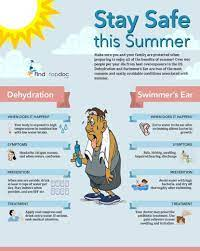
Hydration: Stay hydrated by drinking plenty of water throughout the day. Carry a refillable water bottle and sip on it frequently, even if you don't feel thirsty. Dehydration is a common risk during summer, so ensure you replenish fluids regularly.


Cooling Gadgets: Utilize cooling gadgets like handheld fans, misting fans, or cooling towels. These portable devices can provide instant relief by creating a refreshing breeze or delivering a cooling mist to your skin.


Shade and Ventilation: Seek shade whenever possible, especially during the hottest hours of the day. If you're spending time outdoors, look for shaded areas or carry an umbrella to create your own shade. Ensure your living or working spaces are well-ventilated to promote air circulation.


Refreshing Snacks: Enjoy hydrating snacks that are refreshing and nutritious. Some examples include watermelon slices, cucumber, yogurt, or chilled fruits like grapes and berries. These snacks not only provide a cooling effect but also offer essential vitamins and minerals.


Evening Activities: Plan outdoor activities for the cooler evening hours when the sun is less intense. This allows you to enjoy the summer weather without the discomfort of excessive heat.


Stay Cool Indoors: Create a cool indoor environment by using fans or air conditioning. Close curtains or blinds during the hottest parts of the day to block out direct sunlight and keep the space cooler.


Stay Active Safely: If you engage in physical activities during the summer, do so in moderation and choose cooler times of the day. Listen to your body, take breaks, and rest in shaded areas to prevent overheating.

By implementing these summer boosters, you can beat the heat and enjoy the season while keeping yourself comfortable and protected. Stay mindful of your body's needs and adjust your routines accordingly to make the most of the British summer.


Thursday, 6 July 2023

Skin Diseases and Their Treatment in Hot Summer


Skin Diseases and Their Treatment in Hot Summer

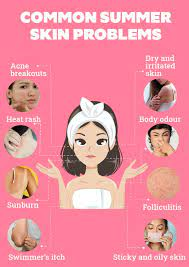
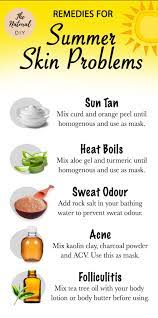
The scorching summer heat can exacerbate various skin conditions, making it essential to understand common skin diseases and their treatments. Here are some prevalent skin conditions during hot summers and the recommended approaches for managing them:

Sunburn: Sunburn occurs when the skin is exposed to excessive ultraviolet (UV) radiation. To prevent sunburn, apply a broad-spectrum sunscreen with a high sun protection factor (SPF) before going outside. If sunburn does occur, cool the affected area with cold compresses, moisturize with aloe vera gel, and take over-the-counter pain relievers if necessary.


Heat Rash: Heat rash, also known as prickly heat, results from sweat ducts becoming blocked, leading to small, itchy red bumps. To alleviate heat rash, keep the affected area cool and dry. Wear loose-fitting clothing made from breathable fabrics, such as cotton. Calamine lotion or hydrocortisone cream can soothe itching and inflammation.


Heat Exhaustion: Heat exhaustion is a serious condition caused by prolonged exposure to high temperatures and inadequate fluid intake. Symptoms include dizziness, fatigue, nausea, and clammy skin. If you or someone experiences heat exhaustion, move to a cooler area, drink plenty of fluids, and apply cool compresses to the skin. Seek medical attention if symptoms persist or worsen.


Fungal Infections: Fungal infections thrive in warm, moist environments. Common types include athlete's foot, jock itch, and yeast infections. Keep the affected areas clean and dry, wear breathable footwear, and avoid sharing personal items. Over-the-counter antifungal creams or powders are typically effective, but severe or persistent cases may require prescription medications.


Acne Breakouts: Hot weather can increase sweat production, oil production, and clog pores, leading to acne breakouts. Wash your face twice daily with a gentle cleanser and avoid scrubbing or picking at acne lesions. Use oil-free, non-comedogenic moisturizers and wear lightweight, oil-free sunscreen. If over-the-counter treatments do not improve your acne, consult a dermatologist.


Pruritus (Itchy Skin): Dry skin and increased sweating can cause pruritus or itchy skin during summer. Keep your skin well moisturized with fragrance-free lotions or creams. Avoid hot showers or baths that can further dry out the skin. If itching persists, an over-the-counter antihistamine or hydrocortisone cream can provide relief. Consult a healthcare professional if symptoms worsen.

Remember to stay hydrated, seek shade during peak sun hours, and wear protective clothing and accessories like hats and sunglasses. If you experience severe or persistent symptoms, it's important to consult a healthcare professional or dermatologist for a proper diagnosis and personalized treatment plan.

Please note that this information is for general guidance only and should not replace professional medical advice


COVID 19 FIRST LINE OF THERAPY


COVID 19 FIRST LINE OF THERAPY


The first line of therapy for COVID-19 typically involves several approaches aimed at managing the symptoms and supporting the patient's overall health. Here are some common measures used in the initial treatment of COVID-19 in British English:

Symptom management: Over-the-counter medications such as paracetamol (acetaminophen) may be recommended to alleviate fever, headache, and body aches. Cough suppressants or expectorants can help manage cough symptoms. It is important to follow the instructions and dosages provided by healthcare professionals.


Rest and hydration: Adequate rest is crucial for recovery, as it allows the body to focus on fighting the infection. It is important to drink plenty of fluids, such as water and warm beverages, to stay hydrated.


Oxygen therapy: In severe cases where oxygen levels are low, supplemental oxygen may be administered. This can be provided through nasal cannulas, masks, or in more severe cases, ventilators.


Monitoring vital signs: Regular monitoring of vital signs, including temperature, heart rate, and oxygen saturation, is essential to assess the patient's condition and make appropriate adjustments to the treatment plan.


Supportive care: Proper nutrition and maintaining a balanced diet are important for supporting the immune system. If necessary, nutritional supplements may be recommended.


Isolation and infection control: Patients with COVID-19 should self-isolate to prevent the spread of the virus to others. It is crucial to follow the guidelines provided by healthcare authorities regarding self-isolation and infection control measures.

It is important to note that treatment protocols for COVID-19 may vary depending on the severity of symptoms, underlying health conditions, and individual patient factors. Medical professionals should be consulted for personalized advice and guidance regarding treatment options.


Wednesday, 5 July 2023

CAUSATIVE AGENTS FOR DEHYDRATION DISEASES & ITS TREATMENT.

CAUSATIVE AGENTS FOR DEHYDRATION DISEASES & ITS TREATMENT


The causative agents of dehydration diseases can vary depending on the specific condition. However, common causes include:

Gastroenteritis: Viruses (such as norovirus or rotavirus), bacteria (such as Salmonella or Escherichia coli), or parasites (such as Giardia) can cause gastroenteritis, leading to dehydration.


Heatstroke: Prolonged exposure to high temperatures, especially in hot and humid environments, can cause heatstroke, which results in excessive fluid loss and dehydration.


Diarrhea: Infections caused by bacteria (such as Campylobacter or Shigella), viruses (such as norovirus or rotavirus), or parasites (such as Cryptosporidium) can lead to diarrhea and subsequent dehydration.


Excessive sweating: Activities that cause excessive sweating, such as intense physical exercise or working in high-temperature environments, can result in dehydration.

The treatment for dehydration diseases typically involves rehydration and addressing the underlying cause. In cases of mild dehydration, oral rehydration solutions (ORS) containing electrolytes and fluids are commonly used. These solutions can be purchased over the counter at pharmacies or prepared at home using the appropriate ingredients.

For more severe cases of dehydration, intravenous (IV) fluid administration may be necessary. This involves receiving fluids directly into a vein, usually in a hospital or clinic setting, to rapidly replenish lost fluids and electrolytes.

It is crucial to seek medical attention if dehydration symptoms are severe or if they persist despite oral rehydration attempts. Prompt medical intervention can help prevent complications and facilitate a faster recovery.

Please note that the information provided is for general knowledge purposes only, and it's always best to consult a healthcare professional for a proper diagnosis and treatment plan.


Tuesday, 4 July 2023

TOOTH VIRUS /BACTERIA AFTER EATING MEAT

TOOTH VIRUS /BACTERIA AFTER EATING MEAT

Tooth infections after consuming meat can occur due to bacterial activity in the mouth. When we consume food, especially meat, the bacteria in our mouth break down the sugars and starches present in the food, producing acids as a byproduct. If these acids are not adequately neutralized by saliva or proper oral hygiene, they can lead to tooth decay and the formation of cavities.

Additionally, certain bacteria, such as Streptococcus mutans, thrive on the sugars found in meat and other foods, contributing further to tooth decay. These bacteria produce a sticky film called plaque, which adheres to the teeth and can erode the enamel, causing dental caries or cavities.

Maintaining good oral hygiene practices, such as brushing your teeth at least twice a day with fluoride toothpaste, flossing daily, and visiting the dentist regularly for check-ups and cleanings, can help prevent tooth infections and cavities. It is also important to limit the consumption of sugary and acidic foods, including those found in meat, and rinse your mouth with water after eating to remove any food particles or residue.

If you suspect a tooth infection or experience persistent tooth pain or sensitivity, it is crucial to consult a dentist for a proper diagnosis and treatment. They may recommend a dental filling, root canal treatment, or other appropriate interventions to address the infection and restore your oral health.


ENVIRONMENTAL VIRUS.


ENVIRONMENTAL VIRUS.


Environmental Viruses: Environmental viruses are viruses that can survive and remain infectious outside a host organism in various environmental conditions. They can be transmitted through contaminated water, soil, surfaces, or air. Some common examples of environmental viruses include the influenza virus, norovirus, and adenovirus.


Transmission: Environmental viruses can be transmitted through different routes, including inhalation of airborne particles, direct contact with contaminated surfaces or objects, ingestion of contaminated food or water, and exposure to infected individuals through respiratory droplets.


Airborne Transmission: Airborne transmission occurs when viruses are suspended in small particles or droplets in the air, which can be inhaled by individuals nearby. Certain viruses, such as the influenza virus and coronaviruses like SARS-CoV-2 (which causes COVID-19), can spread through airborne transmission under certain conditions.


Prevention: To reduce the risk of contracting environmental viruses, it's important to practice good hygiene and follow preventive measures. These include regular handwashing with soap and water, using hand sanitizers, disinfecting frequently touched surfaces, maintaining proper ventilation in indoor spaces, wearing masks in crowded or enclosed areas, and following recommended vaccination guidelines.


Public Health Guidelines: The British government and health authorities, such as Public Health England, provide specific guidelines and recommendations to prevent the spread of environmental viruses. It's essential to stay updated with the latest information and follow the guidelines provided by authoritative sources.

Please note that the information provided here is general and may not reflect the latest developments or specific details about any particular virus. It's always recommended to consult official sources or healthcare professionals for accurate and up-to-date information.


Sunday, 2 July 2023

CAUSATIVE AGENTS OF A PROCESSED MEAT DISEASES

CAUSATIVE AGENTS OF A PROCESSED MEAT DISEASES.

The causative agents for processed meat can vary depending on the specific product and production methods. However, some common causative agents or ingredients found in processed meat  include:


Meat: Typically sourced from animals such as pork, beef, or poultry.
Preservatives: Substances like sodium nitrite or sodium nitrate are often used to prevent bacterial growth and preserve the meat
.
Salt: Used for flavoring and as a preservative.
Seasonings: Various spices and herbs can be added to enhance the taste of the meat, such as pepper, garlic, or paprika.

Curing agents: Commonly used for cured meats, these agents may include curing salts, sugar, or nitrates.

Additives: Processed meats may contain additives such as monosodium glutamate (MSG), phosphates, or artificial flavorings.

Fats: Additional fats, such as lard or vegetable oils, might be added to improve the texture and taste of the product.

Binder: A binding agent, such as breadcrumbs or modified food starch, may be used to hold the meat together.

Emulsifiers: Emulsifiers like soy lecithin or carrageenan can be used to stabilize the product and prevent separation.

Fillers: Processed meats might contain fillers like breadcrumbs, soy protein, or extenders to bulk up the product.


Please note that this list is not exhaustive, and different processed meat products may contain additional or different ingredients depending on their specific recipes and manufacturing processes. It's always a good idea to check the product label or consult the manufacturer for detailed information about the ingredients used in a specific processed meat product.


https://goniks.blogspot.com/

Google adsense ad

 https://ads.google.com/aw/unifiedassetreport/vacassetdetails?ocid=1536123827&entityId=682991003246&adGroupIdForEntity=151392614090...

https://goniks.blogspot.com/